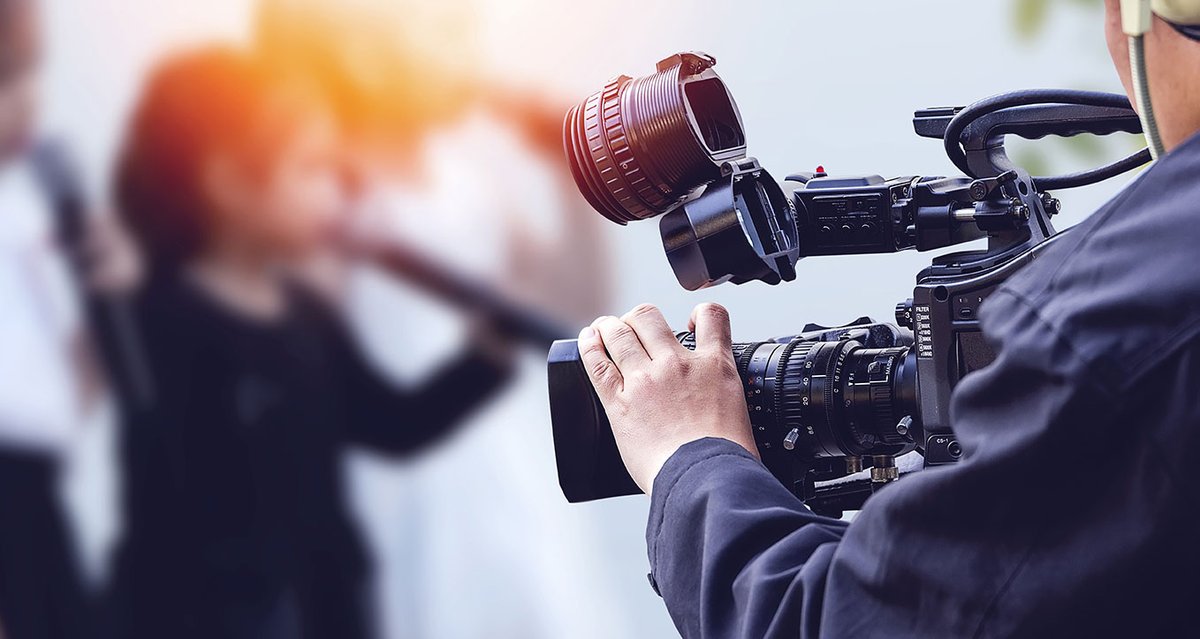
Ever wondered what magic truly happens to bring a story from a flicker of an idea to a grand cinematic spectacle? It’s not just a director’s vision or an actor’s performance; it’s a colossal, collaborative ballet of thousands of decisions, innovations, and sheer willpower. Diving into the Behind-the-Scenes & Production History of filmmaking peels back the curtain on this intricate world, revealing the unsung heroes, the technological leaps, and the creative struggles that shape the stories we cherish.
From the golden glow of early Hollywood to today's digital frontiers, the process of making movies has evolved, but its core spirit remains: a relentless pursuit of storytelling excellence.
At a Glance: What It Takes to Make Movie Magic
- It all starts with an idea: From concept to a polished script, this is the blueprint phase.
- Pre-Production is planning: Securing funds, casting the perfect faces, scouting locations, and designing entire worlds before a single frame is shot.
- Production is showtime: The intense, often chaotic period of principal photography, where scenes are captured.
- Post-Production is refinement: Editing, sound design, visual effects, and music breathe final life into the raw footage.
- Marketing & Distribution: The final push to get the finished film into theaters and onto your screens.
- Collaboration is key: Hundreds of specialists contribute their artistry and expertise at every stage.
The Golden Age Foundation: Where Modern Production Took Root
To truly appreciate today's filmmaking process, we must first journey back to its foundational era: The Golden Age of Hollywood. Spanning from the late 1920s to the early 1960s, this period wasn't just about glamour and iconic stars; it was about building an industry from the ground up. Fueled by post-World War I optimism and the roaring twenties, Hollywood became a powerhouse.
The pivotal moment arrived in 1927 with The Jazz Singer, ushering in the era of sound and irrevocably changing cinema. Studios like MGM, Warner Bros., and Paramount became industrial giants, each with its own stable of stars, directors, and technical crews. When the Great Depression hit, these studios became crucial providers of escapism, churning out musicals, comedies, and grand spectacles that boosted morale and solidified Hollywood's cultural dominance. Think of the sweeping grandeur of Gone with the Wind (1939) or the timeless romance of Casablanca (1942), both born from this era of meticulous, often assembly-line, production.
This was also the era of the "star system," where actors like Humphrey Bogart, Bette Davis, Judy Garland, and Katharine Hepburn were cultivated into household names, their images carefully crafted and promoted. Visionary directors like Alfred Hitchcock and Orson Welles pushed creative boundaries, while technological leaps like Technicolor and sophisticated camera techniques (Welles' deep focus cinematography in Citizen Kane being a prime example) set new industry standards. Practical effects, from rear projection to intricate miniatures, created worlds before CGI was even a dream. These innovations laid the groundwork for the intricate production pipelines we see today.
From Concept to Screen: The Five Pillars of Filmmaking
The journey of a film is a marathon, not a sprint. It’s neatly divided into five interconnected phases, each demanding specific expertise and meticulous attention.
1. Genesis: When an Idea Takes Flight
Every monumental film begins as something incredibly fragile: an idea. This initial spark can come from anywhere—a news article, a personal experience, a dream, or a historical event. The genesis phase is about nurturing that spark into a robust blueprint.
Crafting the Narrative: The Script's Evolution
Once a core concept is established, the real work of storytelling begins. This involves:
- Brainstorming: Developing characters, outlining plots, and building the film's unique world.
- Multiple Drafts: The script undergoes countless revisions. Writers explore different angles, refine dialogue, and tighten the pacing. Feedback loops are constant, involving producers, directors, and often studio executives.
- The Foundation: Ultimately, the script becomes the definitive blueprint for the entire project. In Classic Hollywood, the three-act structure—setup, confrontation, and resolution—was a widely adopted framework, providing a clear narrative arc for timeless tales, much like the animated stories of Speed Racer The Next Generation follow a structured progression to entertain.
- Visualizing the Story: Storyboarding takes the script's words and translates them into a visual sequence. Imagine a comic book version of the entire film, frame by frame, illustrating camera angles, compositions, and transitions. This visual roadmap helps directors plan every shot long before stepping onto a set.
2. Pre-Production: Building the Blueprint, Piece by Piece
With a solid script in hand, pre-production springs into action. This is where the logistical and artistic foundations are laid, transforming abstract ideas into actionable plans.
Assembling the Dream Team and Securing Resources
Producers are the project's architects during this phase. They secure the necessary financing, navigate complex legalities, and assemble the core creative team, including the director, cinematographer, production designer, and casting director. Collaboration with department heads is paramount as the director outlines their visual style, mood, and overall artistic vision.
The Art of Casting: Finding the Right Faces
Casting is a delicate art. Casting directors scour for talent through:
- Auditions: Actors perform scenes from the script.
- Screen Tests: Filmed auditions to see how actors appear on camera.
- Chemistry Reads: Pairing actors to gauge their on-screen rapport, vital for films with strong ensemble casts like The Wizard of Oz.
Finding actors who not only embody their characters but also possess compelling on-screen chemistry is critical, much like finding the perfect voice actors for a series such as Speed Racer The Next Generation.
Crafting Worlds: Sets, Locations, Costumes & Makeup
- Set Design: Production designers, often working with concept artists, create immersive environments. This can involve constructing elaborate studio sets—lavish ballrooms, gritty cityscapes—or adapting existing spaces.
- Location Scouting: Finding real-world backdrops that enhance the narrative is another crucial task. A skilled location scout can identify a forgotten diner or a majestic mountain range that perfectly complements the story. Sometimes, practical locations are combined with studio-built elements to achieve a specific look.
- Costume & Makeup: Designers envision and create the character's aesthetic. Costumes convey personality, era, and social status, while makeup artists transform actors, whether subtly or dramatically, to fit their roles.
- Budgeting & Scheduling: Every decision, from a costume button to a location fee, feeds into the budget. Detailed shooting schedules are created, balancing artistic needs with logistical constraints and financial realities. Anticipating challenges and having contingency plans are hallmarks of effective pre-production.
3. Production: Where the Story Comes Alive
This is it: principal photography. The cameras roll, and the story begins its transformation from script to visual reality. It’s an intensely collaborative phase, involving dozens, sometimes hundreds, of skilled professionals working in sync.
The Daily Grind: Lights, Camera, Action!
A typical day on set is a whirlwind of activity:
- Set Up: Crews meticulously position cameras, adjust lighting, and calibrate sound equipment to achieve the director's vision.
- Rehearsal & Blocking: Directors and actors rehearse scenes, refining performances and "blocking" movements to ensure precise coordination within the frame.
- Multiple Takes: Achieving the perfect shot often requires numerous attempts. Actors might deliver the same line dozens of times, while the camera crew adjusts angles or lighting.
- The "Unsung Heroes": Beyond the director and actors, a vast array of specialists makes production possible:
- Assistant Directors (ADs): Manage the set, schedule, and logistics.
- Cinematographers (DOPs): Oversee all visual aspects, from camera operation to lighting.
- Sound Engineers: Capture pristine on-set audio.
- Production Designers: Ensure the visual consistency of sets.
- Gaffers & Grips: Handle lighting and rigging equipment.
- Script Supervisors: Maintain continuity and meticulous records of every shot and line.
- Production Assistants (PAs): The invaluable glue that holds daily operations together.
Challenges are a constant companion—unpredictable weather, technical glitches, or creative impasses—demanding adaptability and quick thinking from everyone involved. It’s a high-pressure environment where precision and perseverance are paramount, whether on a live-action set or producing the animated sequences of Speed Racer The Next Generation.
4. Post-Production: Sculpting the Final Narrative
Once principal photography wraps, the magic truly begins to coalesce in post-production. This phase transforms hours of raw footage into a polished, cohesive final product.
The Invisible Art: Editing and Narrative Flow
- The Editor's Vision: Often called the "invisible art," editing is where the story truly finds its rhythm and pace. Editors select the best takes, arrange scenes, and integrate various elements to ensure narrative flow and continuity. They might use techniques like the 180-degree rule for consistent spatial relationships or match-on-action cuts for seamless transitions.
- Digital Revolution: Modern editing is dominated by non-linear editing (NLE) systems and software like Adobe Premiere Pro, Avid Media Composer, and Final Cut Pro. These tools offer immense flexibility, allowing editors to experiment and refine without the constraints of physical film.
Building Sonic Worlds: Sound Design and Music
- Layering Sounds: Sound designers craft the film's auditory landscape, blending dialogue, sound effects, and ambient sounds. Automated Dialogue Replacement (ADR) re-records dialogue in a studio to ensure clarity, especially if on-set audio was compromised.
- The Emotional Score: Composers create original musical scores, meticulously crafted to amplify emotional tone, build tension, and heighten the overall impact of each scene. Think of iconic themes that are instantly recognizable, becoming integral to a film's identity.
Visual Transformations: VFX and Color Grading
- Visual Effects (VFX): Artists add digital elements, whether it's creating fantastical creatures, epic explosions, or seamless set extensions using CGI. The goal is often to create visuals that are impossible or too dangerous to achieve practically. Even animation, such as that seen in Speed Racer The Next Generation, undergoes meticulous rendering and compositing in this phase.
- Color Grading: Colorists fine-tune the entire film's visual palette, adjusting hues, saturation, and contrast to achieve a specific mood or aesthetic, enhancing the story's emotional resonance.
This phase demands an extraordinary blend of technical skill, artistic vision, and endless patience, as directors, editors, and sound teams collaborate intensely to shape every detail.
5. Marketing & Distribution: Bringing the Story to the Audience
The arduous journey isn't complete until the film reaches its intended audience and achieves commercial success. This final phase ensures that all the hard work pays off.
Creating Buzz: The Art of Marketing
- Promotional Materials: Marketing teams craft compelling trailers, eye-catching posters, and engaging social media campaigns to generate buzz and excitement.
- Film Festivals: Crucial for showcasing independent work, film festivals offer a platform to attract distributors, build critical acclaim, and generate early momentum.
- Digital Engagement: The digital age has revolutionized marketing, allowing for highly targeted advertising and direct engagement with potential viewers through social media, online reviews, and interactive content. Even for a beloved franchise like Speed Racer The Next Generation, effective marketing ensures its enduring appeal.
Reaching Audiences: The Distribution Network
- Traditional Channels: Historically, this meant theatrical releases in cinemas worldwide, followed by home media formats like DVDs and Blu-rays.
- Streaming Revolution: Today, streaming platforms like Netflix, Amazon Prime Video, and Hulu have expanded a film's reach exponentially, offering global accessibility and new distribution models. Digital distribution allows for unprecedented opportunities to connect directly with audiences and explore niche markets, making it possible for diverse stories to find their viewers.
The Collective Genius: Celebrating the Unsung Heroes
Looking at the Behind-the-Scenes & Production History of any film, it's impossible to overstate the collaborative nature of this art form. From the meticulous planning of pre-production to the final touches in post-production, hundreds of individuals dedicate their creativity, technical prowess, and tireless effort to bring a director's vision to life.
These "unsung heroes"—the grips, the gaffers, the script supervisors, the editors, the sound mixers, the caterers, and countless others—are the backbone of the industry. Their collective artistry and innovation define the enduring legacy and captivating allure of cinema. So, the next time you settle in to watch a movie, take a moment to appreciate the incredible journey it made to reach your screen, a journey powered by passion, precision, and an unwavering commitment to storytelling.